A Complete Guide to Cooperative Gaming
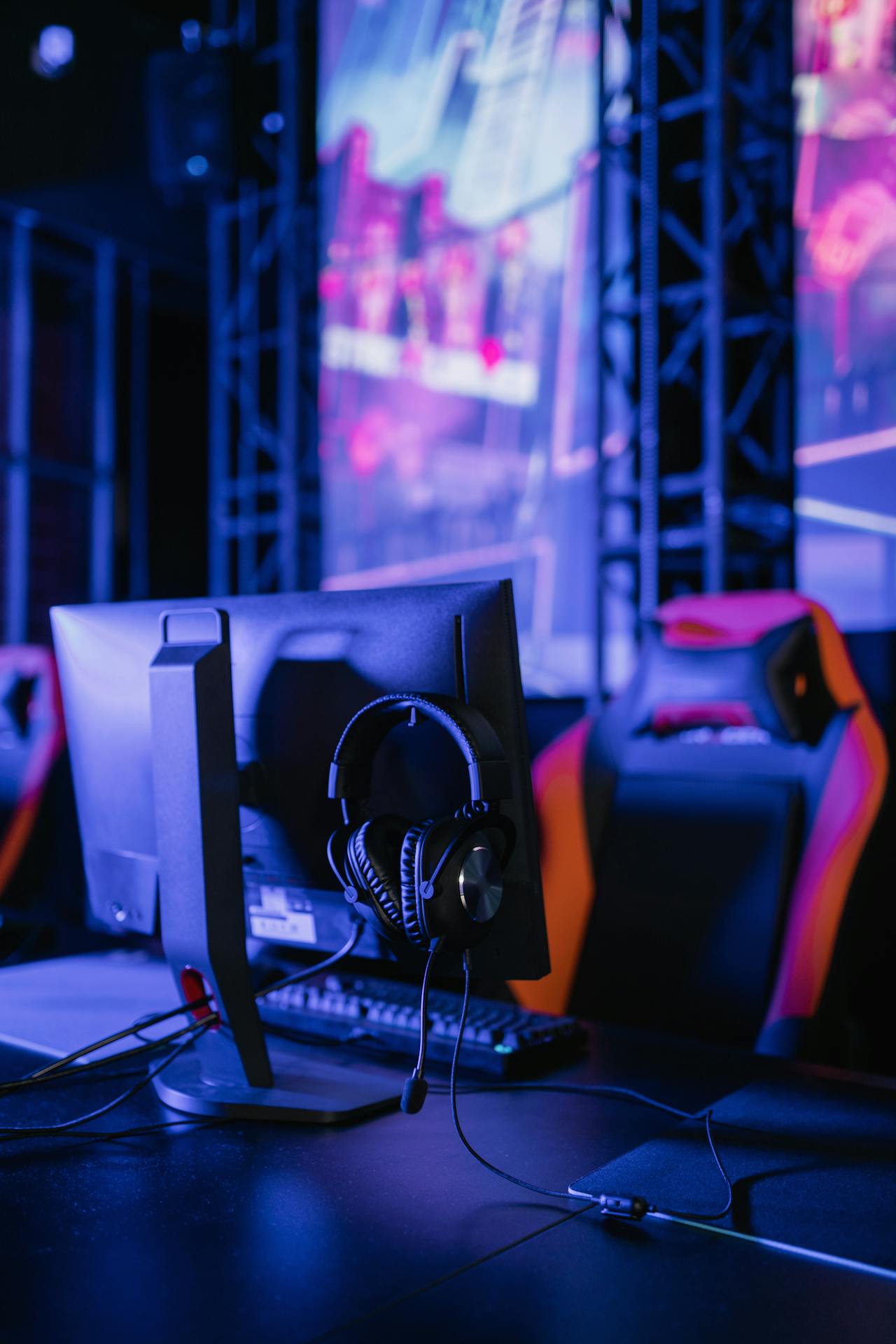
Cooperative gaming represents one of the most rewarding ways to experience interactive entertainment. Unlike competitive modes where only one player or team emerges victorious, cooperative play brings people together toward a shared objective. Whether you are solving intricate puzzles with a partner, navigating treacherous dungeons as a four-person squad, or building elaborate structures as a creative collective, the satisfaction of achieving something together is unmatched.
At NeonPlay Arena, cooperative experiences form a cornerstone of our platform. Over the past year, we have observed thousands of player interactions and gathered insights from our most successful teams. This guide distils that knowledge into practical advice that will help you become a more effective and enjoyable cooperative partner.
Understanding Cooperative Dynamics
Before diving into tactics, it is worth understanding why cooperative gaming works differently from solo or competitive play. In a cooperative environment, every participant's contribution matters. A team is only as strong as its weakest link, which means that supporting struggling teammates is just as important as excelling individually. The best cooperative players are not necessarily the most skilled — they are the ones who elevate everyone around them.
Communication sits at the foundation of effective cooperation. Studies in organisational psychology have shown that teams who communicate openly outperform those with superior individual skills but poor communication. This principle applies directly to gaming. A mediocre player who shares information clearly and listens attentively will contribute more to team success than a brilliant player who operates in isolation.
Finding the Right Teammates
The first step in a great cooperative experience is finding compatible partners. NeonPlay Arena offers several avenues for connecting with other players. Public matchmaking pairs you with random partners based on skill level and game preferences. While this can be a wonderful way to meet new people, it also introduces variability in teammate quality. For more consistent experiences, consider the following approaches.
Join community groups focused on specific games or genres. Our platform forums and discussion channels are populated with players actively seeking cooperative partners. Posting a brief introduction about your playing style, availability and preferred games will help you attract like-minded individuals. Many of our longest-lasting teams formed through these channels.
Pay attention to players who impress you during public matches. If you have a particularly enjoyable session with a stranger, send them a friend request afterwards. Building a network of reliable partners over time creates a roster of people you can call upon whenever you want to play. Quality cooperative experiences are built on established relationships and mutual understanding.
Communication Strategies That Work
Effective communication in cooperative gaming goes beyond simply talking. It involves clarity, timing and respect. Here are the communication principles that distinguish great cooperative teams from average ones.
Be concise and specific. In the heat of a challenging puzzle or time-limited quest, lengthy explanations waste precious seconds. Instead of saying "I think maybe we should try going to the left side of the area where we saw that thing earlier," say "Go left, to the crystal." Practice distilling your thoughts into clear, actionable statements.
Share observations proactively. Do not wait for someone to ask if you have noticed something important. If you spot a hidden path, an approaching threat or a useful item, call it out immediately. The best cooperative players maintain a running commentary of relevant observations without overwhelming their teammates with unnecessary chatter.
Listen more than you speak. This is perhaps the most underrated communication skill in gaming. When a teammate offers a suggestion, give it genuine consideration before dismissing it. They may have noticed something you missed, or their approach might offer advantages you had not considered. Teams that listen to all members make better decisions than those dominated by a single voice.
Role Assignment and Specialisation
In many cooperative games, roles naturally emerge. Some players gravitate toward leadership and strategic planning, while others prefer tactical execution or support duties. Recognising and embracing these natural tendencies makes teams more effective. Rather than competing to fill the same role, allow team members to specialise in areas that align with their strengths.
Discuss roles before starting a challenging quest or puzzle sequence. Even a brief conversation about who will handle what responsibilities prevents confusion during critical moments. On NeonPlay Arena, the most successful teams typically establish a loose hierarchy where one player coordinates overall strategy while others focus on specific tasks.
Handling Disagreements Constructively
Disagreements are inevitable in any cooperative endeavour. The difference between functional and dysfunctional teams lies not in the absence of conflict but in how conflicts are resolved. When you disagree with a teammate's approach, express your alternative idea without dismissing theirs. Use phrases like "What if we tried..." rather than "No, that is wrong."
If a disagreement persists, agree to try one approach first and switch to the alternative if it does not work. This pragmatic method keeps the team moving forward while honouring both perspectives. After the session, discuss what worked and what did not in a calm, reflective manner. These post-game conversations are where teams truly learn and improve.
Building Long-Term Team Chemistry
The best cooperative experiences happen between players who have developed an intuitive understanding of one another. This chemistry does not appear overnight — it builds over many shared sessions. Commit to playing regularly with the same group and you will notice a gradual but significant improvement in your collective performance.
Celebrate successes together and learn from failures without blame. A team that can laugh about a spectacular defeat will be more resilient and motivated than one that descends into finger-pointing. The joy of cooperative gaming lies in the shared journey, not just the destination. When you embrace that philosophy, every session becomes enjoyable regardless of the outcome.